The Purse Building has been part of Dallas’ story for more than a century, and today, it’s stepping into a new chapter.
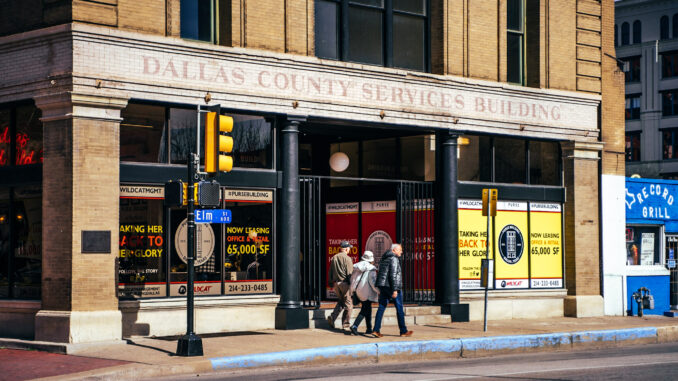
Right in the middle of Downtown Dallas, at 601 Elm Street, stands a building that has quietly watched the city evolve for more than a century. Today, the Purse Building, a six story, 65,000 square foot warehouse built in 1905, is stepping into a new spotlight as one of the most strategically positioned opportunities in the urban core.
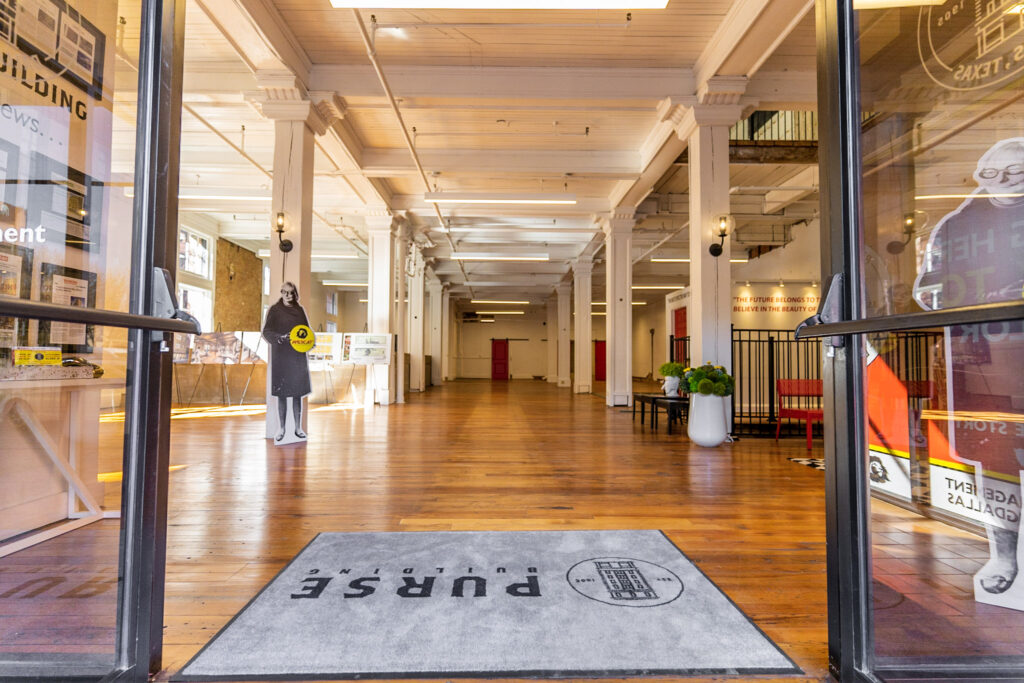
What makes the Purse Building so compelling isn’t just its restored brick façade, exposed longleaf pine beams, or massive industrial windows. It’s the rare combination of history, location, and economic momentum converging at exactly the right moment in Downtown Dallas’ growth cycle.
A location that’s impossible to replicate
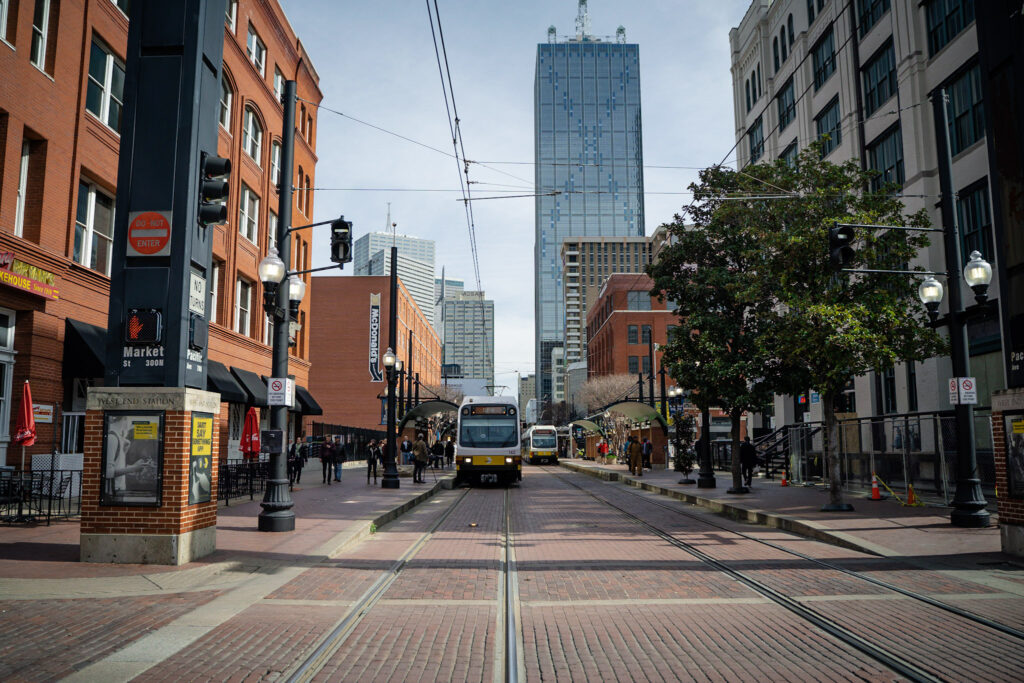
The Purse Building sits just steps from Dealey Plaza, which draws more than 4 million visitors every year. That foot traffic alone puts the property in a category that few historic buildings can match.
But the advantages don’t stop there. The building is within walking distance of:
- major civic offices
- the Dallas County Courthouse
- the Kay Bailey Hutchison Convention Center
- multiple transit lines
- the rapidly evolving West End and Government District
This is the kind of urban positioning that simply can’t be recreated, not in Dallas, and not in most major cities.
A market moving at full speed
Downtown Dallas continues to see 700+ new residents every day and a tourism economy exceeding $8 billion annually. That level of activity is reshaping demand for boutique office space, creative studios, hospitality concepts, and mixed-use retail.
And for developers and tenants looking at adaptive reuse, the Purse Building offers a major advantage: up to 45% of qualified renovation costs may be covered through combined federal and Texas historic tax credits.
That’s a meaningful incentive in a market where historic character and modern functionality are increasingly sought after.
A building with character and momentum
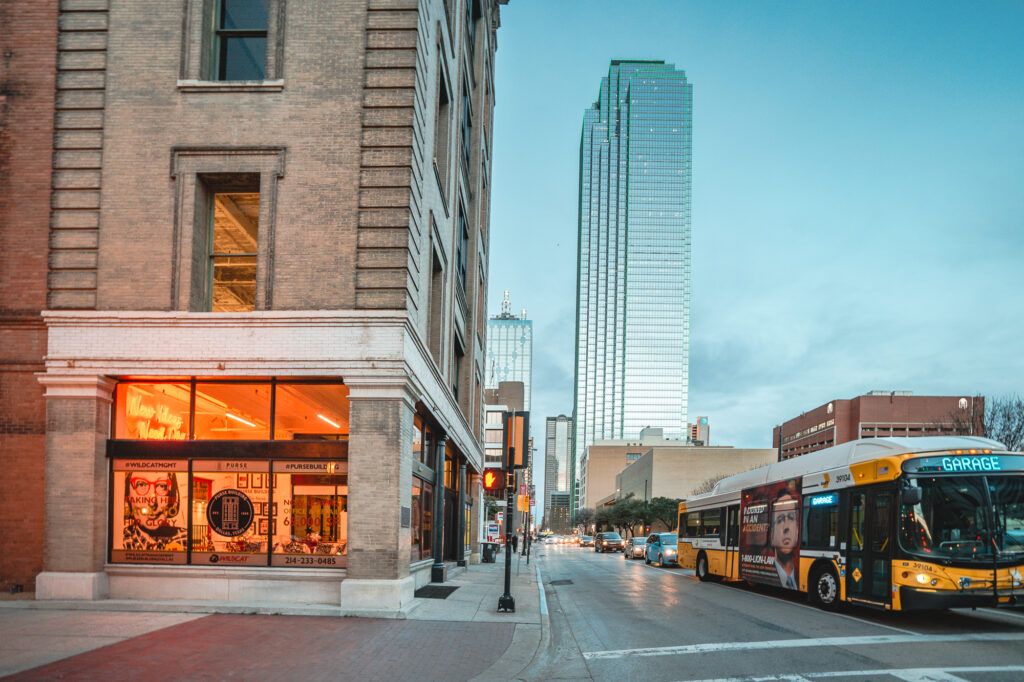
“Buildings like the Purse Building don’t just sit there — they anchor growth, connect communities, and create opportunity,” says Tanya Ragan, President of Wildcat Management. “It’s a rare chance to blend history, culture, and current downtown momentum in one location.”
Inside, the building’s restored architectural elements create a backdrop that appeals to tenants seeking authenticity and texture, the kind of environment that can’t be replicated in new construction. Outside, the surrounding district continues to evolve with new residential density, civic investment, and a growing mix of restaurants, entertainment, and pedestrian activity.
A flexible canvas for what comes next
Whether it becomes boutique office space, mixed use retail, hospitality, creative studios, or residential lofts, the Purse Building is positioned to support a wide range of uses. Its scale, character, and location give it the flexibility to adapt to the district’s long term trajectory and to the needs of tenants who want to be part of Downtown Dallas’ next chapter.
For anyone paying attention to the city’s momentum, the Purse Building isn’t just historic. It’s one of the most exciting opportunities in the heart of Dallas right now.