
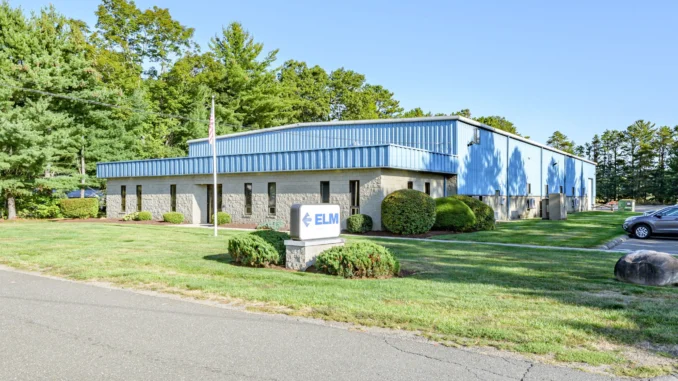
As we move into 2026, the commercial real estate market across Western Massachusetts and Northern Connecticut is entering a more balanced and opportunity-driven phase. After several years of volatility tied to interest rates, inflation, and shifting space needs, market fundamentals are stabilizing. For owners, investors, and businesses planning their next move, understanding local trends will be key to making smart decisions.
At Jennings Real Estate Services, we work daily with property owners, tenants, and investors across industrial, office, retail, and mixed-use assets. Below is our 2026 market outlook and what it means for commercial real estate in our region.
Interest Rates and Capital Markets in 2026
Interest rates are expected to remain relatively steady in 2026, providing more predictability for buyers and sellers. While borrowing costs remain higher than pre-2020 levels, pricing expectations have adjusted accordingly. This has created a healthier environment where well-located and well-maintained properties continue to trade, particularly those with stable cash flow or value-add potential.
For investors, this means underwriting discipline matters more than ever. Properties with strong fundamentals, realistic rent growth, and long-term tenant demand are outperforming speculative deals.
Industrial and Flex Space Remain Market Leaders
Industrial real estate continues to be one of the strongest asset classes heading into 2026. Demand for warehouse, distribution, and flex space remains high across Western Massachusetts and Northern Connecticut, driven by logistics, manufacturing, and regional service businesses.
Key features driving tenant demand include:
-
Clear heights of 12 feet or more
-
Drive-in and dock-high loading
-
Proximity to highways and regional distribution routes
Limited new supply in many secondary markets has helped keep vacancy rates low, supporting stable rental rates and long-term value.
Office Market: Quality and Flexibility Matter
The office market continues to evolve rather than disappear. In 2026, tenants are prioritizing efficiency, location, and flexibility. Well-maintained buildings with parking, modern layouts, and access to amenities are leasing, while outdated or oversized office spaces are facing longer vacancy periods.
Owners who invest in upgrades, subdividing large floor plates, or repositioning office assets for medical or professional use are seeing improved performance.
Retail and Mixed-Use Trends
Retail real estate remains highly location-specific. Neighborhood retail, service-oriented tenants, and mixed-use properties with residential components are performing well. Consumers continue to value convenience, making well-located strip centers and downtown properties attractive in 2026.
Retail spaces tied to daily needs, dining, health services, and experiential uses are expected to remain resilient throughout the year.
What This Means for Property Owners and Investors
The 2026 outlook favors strategic planning over speculation. Owners should be proactive about understanding property value, lease structures, and market positioning. Investors should focus on assets with durable demand and realistic exit strategies.
At Jennings Real Estate Services, we help clients:
-
Evaluate property value in current market conditions
-
Position assets for sale or lease using targeted marketing
-
Identify off-market and value-add opportunities
-
Navigate negotiations with local market expertise
Looking Ahead
While national headlines often focus on major metro markets, the greatest opportunities in 2026 are often found in strong regional markets like Western Massachusetts and Northern Connecticut. Local knowledge, accurate pricing, and disciplined execution will separate successful deals from missed opportunities.
If you are considering selling, leasing, or investing in commercial real estate this year, our team is ready to help you move forward with confidence.
Your goals, our expertise.